

Hot take: Buying another used car doesn't guarantee you're buying fewer problems. Sometimes you're just trading the problems you know for problems you haven't met yet. When your vehicle needs an expensive repair, it's tempting to throw in the towel. Maybe your engine needs replacing, your transmission is failing, or you've received a repair estimate that makes you question whether your car is worth keeping. Your first thought might be: Wouldn't it make more sense to just buy another used car? Not necessarily. At Colorado Engine & Complete Auto Repair in Arvada, Colorado, we help customers navigate this decision regularly. And one thing we've learned is that the cost of repairing your current vehicle isn't the only number you should be looking at. The Hidden Costs of Buying Another Used Car Buying a used vehicle can seem like the easiest way to escape an expensive repair bill. But that replacement vehicle comes with its own expenses and uncertainties. Before purchasing another used car, consider: Unknown maintenance history: Even a vehicle that looks great may have missed important maintenance. Unexpected repairs: Tires, brakes, suspension components, cooling systems, and other repairs can add up quickly. Taxes and registration: Purchasing another vehicle often means additional taxes, title fees, and registration expenses. Higher monthly payments: If you're financing the purchase, you're committing to another ongoing expense. Insurance costs: Depending on the replacement vehicle, your premiums could increase. And here's the kicker: A newer vehicle or one with fewer miles isn't automatically more reliable. A well-maintained vehicle with 150,000 miles may be a better investment than a neglected vehicle with 80,000 miles. Why Repairing Your Current Vehicle May Make More Financial Sense One of the biggest advantages of keeping your current vehicle is that you already know its history. You know whether the transmission has been serviced, when the brakes were replaced, how consistently the oil has been changed, and what repairs have already been completed. That information has value. For example, imagine your current vehicle needs a $6,000 engine replacement. Now compare that with purchasing a $20,000 used vehicle. Even though $6,000 is a significant repair expense, it may still be considerably less than replacing the entire vehicle. Of course, the calculation changes if your current car also needs major transmission work, has extensive rust, or has several other expensive repairs on the horizon. The goal isn't to repair every vehicle at any cost. It's to make the most financially sensible decision based on the vehicle's overall condition. Is Replacing an Engine Worth It? This is one of the most common questions we hear at Colorado Engine. The answer depends on several factors: 1. The overall condition of your vehicle If your vehicle has been well-maintained, has a solid transmission, and doesn't have significant additional mechanical problems, replacing the engine may extend its useful life. 2. The cost of the replacement engine Engine replacement costs vary depending on the vehicle, engine availability, labor requirements, and whether you choose a remanufactured or used engine. 3. The warranty A replacement engine with warranty coverage can provide additional peace of mind. Warranty terms vary by engine supplier and installation. 4. How long you plan to keep the vehicle If you intend to drive the vehicle for several more years, investing in a major repair may make more sense than if you're planning to replace it soon. 5. The cost of your alternatives Compare the total cost of repairing your existing vehicle with the actual cost of purchasing and maintaining a replacement vehicle—not just its advertised price or monthly payment. It's also important to remember that replacing an engine doesn't make the entire vehicle new. The transmission, suspension, electronics, and other components will still have their existing age and mileage. When Buying Another Vehicle Might Be the Better Decision We're in the business of repairing vehicles, but that doesn't mean every vehicle should be repaired. There are situations where replacing your car may be the smarter financial choice. For example: Your vehicle needs multiple major repairs at the same time. The repair costs approach or exceed the vehicle's reasonable replacement value. The vehicle has significant structural rust or safety concerns. It has a history of recurring, expensive mechanical failures. Your transportation needs have changed, and the vehicle no longer works for your lifestyle. Sometimes the best advice a repair shop can give is to help you recognize when it may be time to move on. Don't Forget About a Pre-Purchase Inspection If you do decide to purchase another used vehicle, there's one step you shouldn't skip: a professional pre-purchase inspection. A used vehicle can look clean, drive well during a short test drive, and still have mechanical issues that aren't immediately obvious. A thorough inspection can help identify concerns involving the engine, transmission, brakes, suspension, leaks, and other important components. It won't guarantee a problem-free vehicle, but it can help you make a more informed purchasing decision. Spending money on an inspection before purchasing a vehicle may help you avoid significantly more expensive surprises later. Repair vs. Replace: Questions to Ask Before Making Your Decision Before committing to a major repair or another used vehicle, ask yourself: What is my current vehicle worth in good working condition? What repairs does it need immediately? What additional repairs are likely in the near future? How much would a comparable replacement vehicle actually cost? What warranties are available on the proposed repairs? How long do I realistically plan to keep the vehicle? The answers can help you make a decision based on numbers rather than frustration. Let Colorado Engine Help You Make an Informed Decision At Colorado Engine & Complete Auto Repair, we understand that major vehicle repairs can feel overwhelming. Whether you're considering an engine replacement, dealing with transmission problems, or trying to determine whether your vehicle is worth fixing, our team can help you understand the condition of your vehicle and the repair options available. We specialize in engine and transmission replacements, but we also provide complete automotive repair and maintenance services, including diagnostics, brakes, oil changes, cooling systems, and more. Our goal is to help you make a confident, informed decision about your vehicle. Because sometimes, the car you already know is a better investment than the used car you don't. Thinking About Replacing Your Vehicle? Talk to Us First. Before spending thousands on another used car, find out what it would take to get your current vehicle back on the road. Colorado Engine & Complete Auto Repair Arvada, Colorado www.coloradoengine.com Engine Replacement | Transmission Replacement | Complete Auto Repair Schedule an appointment today and let us help you explore your options.

If you live in Colorado, you know how quickly the weather can change. A warm, sunny fall afternoon can turn into freezing temperatures and snow faster than you expect.
Ask our team about available engine replacement financing options, and find out whether keeping your current vehicle makes more sense than starting over with another one.
At Colorado Engine & Complete Auto Repair, we specialize in accurate diagnostics that identify the real problem—not just the warning light.
If you're wondering how to keep your car in top condition this season, these summer car maintenance tips can help you avoid costly repairs and unexpected breakdowns.
Are you wondering, “When should I consider engine replacement?” Your vehicle’s engine is its lifeline, and understanding when it needs replacement is crucial. In this comprehensive guide, we’ll delve into the signs that suggest you may need an engine replacement and provide expert advice on making the right decision. Unusual Noises One of the primary indicators of engine trouble is unusual noises. When you hear loud knocking, clicking, or grinding sounds from your engine, it’s time to consider engine replacement. While not all noises mean an immediate replacement, they should never be ignored. 2. Reduced Performance Experiencing reduced performance like a loss of power, decreased acceleration, or poor fuel efficiency can be a telltale sign of engine trouble. Engine wear and damage affect combustion, impacting your car’s overall performance. Consult an expert to diagnose the issue accurately. 3. Frequent Overheating Overheating can lead to extensive engine damage. If your engine frequently overheats, it may result in warped cylinder heads, damaged gaskets, or a cracked engine block. Repeated overheating incidents can necessitate engine replacement. 4. Smoke or Strange Smells Excessive smoke or unusual odors from your exhaust could signal engine trouble. Different smoke colors indicate different problems, while strange smells like burning or chemicals require immediate attention. 5. Check Engine Light Modern vehicles are equipped with a check engine light that illuminates when there’s a problem. While it can indicate various issues, a continuous or flashing check engine light may signify a significant engine problem requiring prompt inspection. When to Consider Engine Replacement Not all engine problems require a complete replacement. Many can be resolved through minor repairs or maintenance. To determine if engine replacement is necessary: Consult Professionals Reach out to trusted mechanics or engine specialists. Some problems can be diagnosed remotely, while others may require an in-person inspection. 2. Thorough Diagnosis A thorough inspection and diagnostic tests are crucial for pinpointing engine issues and deciding if replacement is the best course of action. 3. Cost vs. Benefit Evaluate the cost of engine replacement against your vehicle’s value. Sometimes, investing in a new engine can be more cost-effective than buying a new car. Conclusion: The decision to replace your vehicle’s engine should not be taken lightly. Recognizing signs of engine trouble early and consulting professionals is key. Not all problems necessitate replacement, and regular maintenance can extend your engine’s lifespan. Reach out to experts like Colorado Engine for guidance on keeping your vehicle running smoothly. Remember, regular maintenance is crucial to avoid costly engine replacements and ensure your vehicle’s longevity.

LKQ Corporation and its subsidiaries distributes a broad range of new, recycled, remanufactured and reconditioned automotive and truck replacement products through its company owned and operated locations. Our remanufactured engine line includes gasoline engines for automobile, light and medium duty trucks. WHAT IS COVERED LKQ warrants its parts to be free of defects in materials and workmanship for the warranty period indicated from the date of installation PROVIDED the part was (and can be documented) installed by a Licensed Automotive Repair Facility. No-Fault warranty enhancements must be purchased at the time of sale and appear on LKQ’s invoice along with the part under warranty consideration. Parts provided that require installation during R&R are not covered under any LKQ warranty Notwithstanding any other provision of this warranty, LKQ’s sole and exclusive obligation under this warranty is limited to, at LKQ’s option, replacement, repair or refund of the purchase price. Transportation charges for LKQ testing on product submitted for repair or replacement under this warranty will be covered by LKQ. In the event LKQ Remanufactured Engine Warranty Revised 6/22 that it is determined that the part must be replaced, the original part must be returned to LKQ to for any warranty labor consideration and reimbursement. While warranty registration is not necessary to obtain warranty coverage on LKQ Products, it is strongly suggested. If you do not register your product you must save your proof of purchase receipt. If you’re not able to provide proof of the initial purchase date at the time of warranty service, the manufacturing date of the product will be used to determine the warranty period. MAKING A CLAIM WARRANTY SERVICE IS AVAILABLE THROUGH ANY LICENSED AUTOMATIVE REPAIR FACILITY To make a claim, you must provide proof of purchase from LKQ or from the business which installed the part. LKQ at its option may repair, replace or refund the purchase price once it determines that the product is still under warranty term, has not been previously replaced under the terms of this warranty, and requires repair or replacement. For a product to be determined defective it must be sent to LKQ’s remanufacturing plant for inspection. LKQ remanufacturing will schedule the pickup of the product or parts in question and pay for transportation. Any products that are not returned to LKQ remanufacturing to undergo inspection will not be covered by this warranty. All repairs and/or replacements to the products must first be authorized by LKQ Remanufacturing. LKQ will not pay for any unauthorized repairs. Incidental damage caused by the requested repair or by the removal of the product is not covered by the warranty. Products sent to LKQ Remanufacturing for inspection that are deemed not covered under standard warranty will be held in storage for a period of 15 days. Product unclaimed after 15 days will be disposed of by LKQ. LKQ will immediately dispose of any product for which there is an approved claim. Any Licensed Automotive Repair Facility (LARF) may perform warranty repairs. Most warranty repairs are handled routinely, but sometimes requests for warranty service may not be appropriate. If a customer differs with the decision of the LKQ Warranty Technician and/or the LARF, an investigation will be made to determine whether the warranty applies. Ask the LARF to submit all supporting facts to LKQ for review. If LKQ decides that the claim is justified, the customer will be fully reimbursed for those product items that are defective. To avoid misunderstanding which might occur between the customer and LKQ/LARF, listed below are some of the causes of engine failure that the standard warranty does not cover. WHAT IS NOT COVERED Normal Wear: Our products, like all mechanical devices, need periodic parts service and replacement to perform correctly. LKQ standard warranty would not apply if damage to the product has occurred because of misuse, lack of routine maintenance, shipping, handling, warehousing or improper installation. Similarly, warranty is void if the serial number of the product has been removed or the product has been altered or modified with aftermarket performance enhancing parts. Improper Maintenance: The life of a mechanical device depends upon the conditions under which it operates, and the care it receives. Wear, when caused by dirt, dust, spark plug cleaning grit or other abrasive material that has entered the engine because of improper maintenance, is not covered by the LKQ standard warranty. Nor does the standard warranty extend to repairs or replacement required because of: Damage as a result of defective parts not supplied with the long block assembly. Damage as a result of overheating, lack of lubrication, fuel wash or contamination. LKQ Remanufactured Engine Warranty Revised 6/22 Damage resulting from pre-Ignition or detonation – Including but not limited to melted or broken pistons, broken piston rings, damaged cylinder heads, leaking head gaskets, etc. Damage incurred as a result of any accident or misuse. Damage or failure due to any accessory or service item, including specifically but not limited to: all components of the cooling, fuel, electrical, exhaust and ignition systems in addition to all belts, hoses, bolts, shafts, sensors, switches and filters. Damage or failure as a result of competition, racing or related purposes. Damage or failure as a result of installing a device or accessory not conforming to original manufacturer’s specifications. Damage as a result of electrolysis, including but not limited to, deterioration of engine components as a result of excessive electrical current. Damage or failure as a result of improperly maintained coolant, and/or any product on which periodic maintenance services required by the original manufacturer have not been performed. Damage or failure resulting from excessive forward pressure placed on the rear of the crankshaft thereby wearing crankshaft thrust surface. Damage resulting from improper repair(s) or attempted repair(s) by any service technician. Damage or failure caused by using contaminated or stale fuel – i.e. leaking carburetors, clogged fuel pipes, or sticking valves. Damage or failure resulting from operating with insufficient, incorrect or contaminated lubricating oil. Repair or adjustment of associated parts or assemblies such as clutches and transmissions. Damage or wear to parts caused by dirt which entered the engine because of improper air cleaner maintenance, re-assembly or use of a non-original air cleaner element or cartridge. Damage or failure resulting from a loose engine mounting, improper attachment of equipment to engine crankshaft or other abuse in operation. Damage or failure resulting from lack of routine tune-up or adjustment of the engine. Damage or failure resulting from the use of alternate fuels such as, liquefied petroleum, natural gas, altered gasoline, etc. Damage as a result of product being used in manner that violates the terms of the LKQ Owner’s Manual, the installation and break-in procedures below, the OEM owner’s manual, or is used for purposes other than their original intended use. No LKQ warranty shall apply to products installed on any class A recreational vehicles (motor homes). Class B and C recreational vehicles will carry standard warranty (depending on their GVW) as outlined above. Additionally, products used in competitive racing or on commercial or rental race tracks are not warranted. LKQ products are not warranted if used in an application for which they were not engineered e.g., using standard gasoline engines in a marine application. Labor Payments Standard warranty: Authorized repairs on approved claims (after factory inspection of returned parts) will be reimbursed at a rate not to exceed the Mitchell Repair Manual published applicable flat rate schedule. Hourly rates for all authorized repairs will be paid in accordance with rate paid for the original installation but not to exceed $50.00 per hour or the total cost of the original part in total. Do-it yourself repairs, repairs performed by unlicensed repair facilities, or repairs made to units not originally installed in a LARF will not be reimbursed. No-Fault Warranty Protection: Authorized repairs on claims will be reimbursed at a rate not to exceed the Mitchell Repair Manual published applicable flat rate schedule. Hourly rates for all authorized repairs will be paid in accordance with rate paid for the original installation but not to exceed $50.00 an hour. Do-it yourself repairs, LKQ Remanufactured Engine Warranty Revised 6/22 repairs performed by unlicensed repair facilities, or repairs made to units not originally installed in a LARF will not be reimbursed. Labor guarantee under terms of No-Fault Warranty Protection is limited to the first time failure of the product and in no case will the total labor under the terms of this guarantee EXCEED the Mitchell Repair Manual published applicable flat rate schedule of hours for R&R engine times $50 per hour. No-Fault Warranty GOLD: Authorized repairs on claims will be reimbursed at a rate not to exceed the Mitchell Repair Manual published applicable flat rate schedule. Hourly rates for all authorized repairs will be paid in accordance with rate paid for the original installation but not to exceed $95.00 an hour. Do-it yourself repairs, repairs performed by unlicensed repair facilities, or repairs made to units not originally installed in a LARF will not be reimbursed. Labor guarantee under terms of No-Fault Warranty GOLD is limited to the first time failure of the product and in no case will the total labor under the terms of this guarantee EXCEED the Mitchell Repair Manual published applicable flat rate schedule of hours for R&R engine times $95 per hour. Payment for Parts Parts on authorized repairs will be reimbursed at the purchase price. Proof of Purchase will be required. Fluid and filter replacement costs will only be reimbursed for the first 2,000 miles of service, (unless No-Fault GOLD policy has been purchased). Product replaced under warranty carries the remainder of the original product’s warranty term. If you are unable to obtain satisfactory service, please contact the LKQ Warranty Department, 1102 W.N. Carrier Parkway, Grand Prairie, TX 75050. This warranty applies to vehicles registered and normally operated in the United States and Canada. ALL IMPLIED WARRANTIES, INCLUDING WARRANTIES OF MERCHANTABILITY OR FITNESS FOR A PARTICULAR PURPOSE, ARE LIMITED TO THE DURATION OF THIS WARRANTY AND DO NOT COVER INCIDENTAL OR CONSEQUENTIAL DAMAGES. SOME STATES DO NOT ALLOW LIMITATIONS ON HOW LONG AN IMPLIED WARRANTY LASTS OR THE EXCLUSION OF INCIDENTAL OR CONSEQUENTIAL DAMAGES, SO THE ABOVE LIMITATIONS OR EXCLUSIONS MAY NOT APPLY TO YOU. THIS WARRANTY GIVES YOU SPECIFIC LEGAL RIGHTS, AND YOU MAY ALSO HAVE OTHER RIGHTS, WHICH VARY FROM STATE TO STATE. This warranty gives you specific legal rights. You may also have other rights which may vary from state to state and country to country. INSTALLATION, BREAK-IN PROCEDURES LKQ Remanufactured products are designed to provide years of trouble-free service. In order for your LKQ remanufactured product to perform as expected, it must be installed correctly, operated responsibly and properly maintained. Engines and Cylinder Heads Once the product has been installed, it is the owner’s responsibility to break-in the product properly. After the break-in period and 600 mile checkup, the product must be maintained to the original manufacturer’s specifications. If you are unsure of the maintenance schedule or have any questions regarding your LKQ product, please call LKQ’s customer service department at 800-421-3746 Initial Startup When applicable, valves must be readjusted to your vehicle’s manufacturer’s specifications. Refer to the factory shop manual, or call LKQ’s customer service for the proper procedure for your engine type. Break-in Procedures Your LKQ remanufactured engine requires special care during its initial “break-in” period. To ensure your engines long life expectancy and proper engine performance, please follow these procedures during the first 600 miles of operation. ✓ Do not drive for long periods at any single speed, always vary your speed. ✓ Do not tow a trailer or put other heavy loads on the vehicle. ✓ Check the engine oil and coolant levels daily. 600 Mile Checkup: ✓ Check fuel and ignition settings. ✓ Change engine oil and filter. ✓ Adjust Valves (where applicable). ✓ LKQ does not recommend using synthetic engine oil until after the first 5,000 of service. Follow your vehicle owner’s manual for service intervals. Failure to perform these procedures can result in damage to the product that may not be covered under your warranty. Please retain all service records (repair orders, invoices, etc) related to the LKQ’s product maintenance and service. In the event of a product failure you will be required to provide copies of installation invoice and all maintenance records covering the installed product.
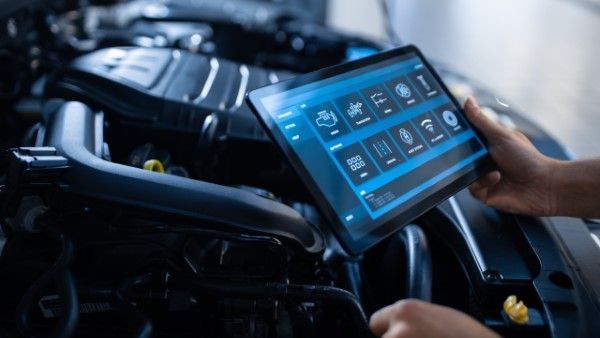
Why Proper Diagnosis Matters
Not every ticking noise or misfire in a 2013–2021 RAM 1500 means the engine needs to be replaced. Too often, owners are told they need a new motor before anyone confirms whether the issue is an exhaust manifold leak, a failing lifter, or true internal engine damage.
That’s why RAM owners bring their trucks to Colorado Engine. We specialize in engine diagnostics and 5.7 L HEMI failures, and we believe in diagnosing before replacing. Through compression testing, oil inspection, and mechanical verification, we determine whether an engine can be repaired—or if a long block replacement is truly the right solution. When we recommend a 5.7 L long block HEMI, it’s because the evidence supports it, not because it’s the easy answer.
The post Why Proper Diagnosis Matters And Why RAM Owners Bring Their Trucks to Colorado Engine first appeared on Colorado Engine.
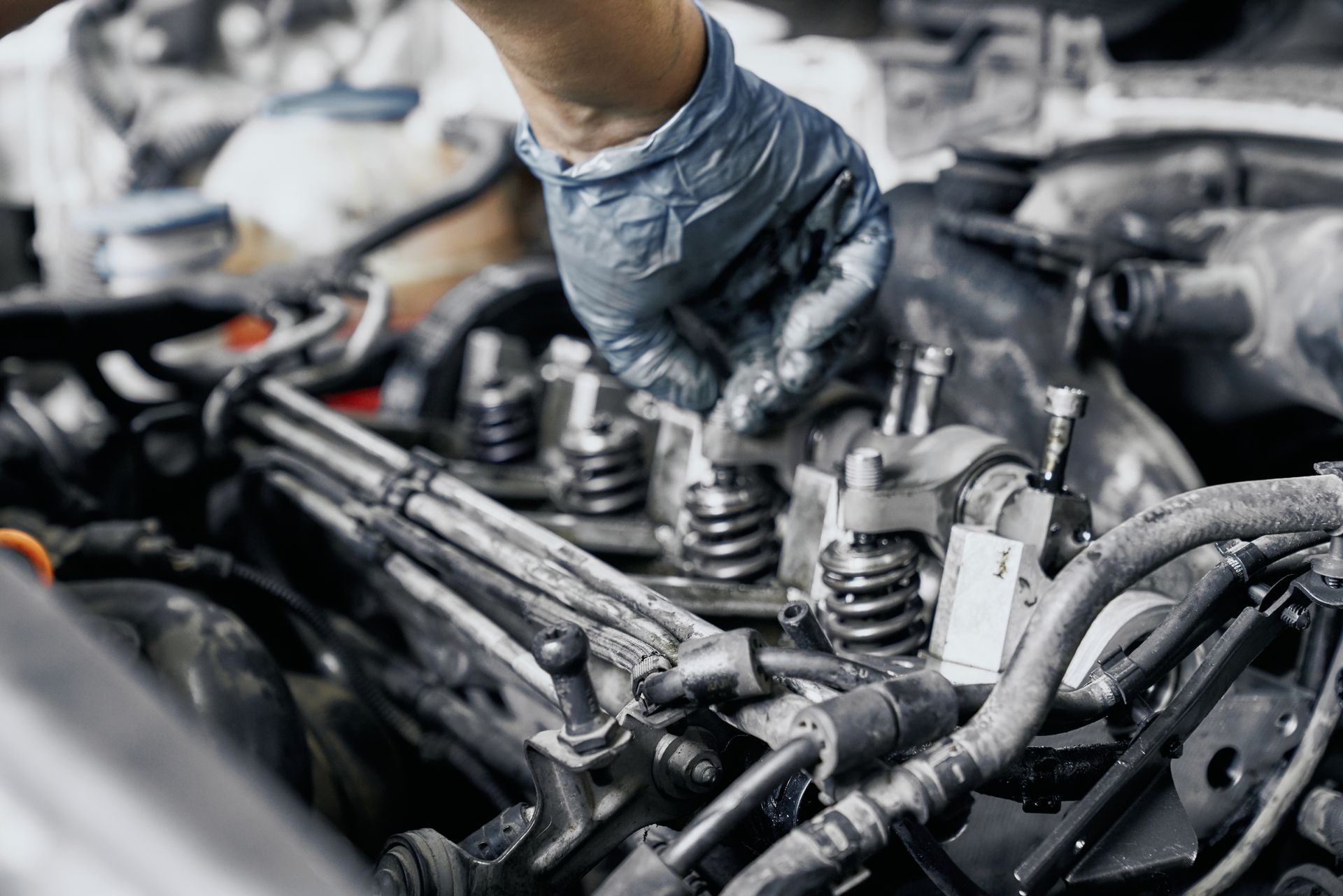
If you’ve recently been told your vehicle needs major engine work, it’s normal to ask: “Should I get a second opinion?” When it comes to engine related repairs , the answer is almost always yes. Engine repairs are complex, costly, and often misunderstood. Getting a second opinion can protect you from unnecessary repairs, give you peace of mind, and potentially save you thousands of dollars. Why Engine Repairs Deserve a Second Opinion Engines are made up of hundreds of interconnected parts. A single symptom such as a check engine light, knocking noise, or loss of power can have multiple possible causes. In some cases, what appears to be a failing engine may actually be: A sensor malfunction A timing or valve issue A fuel or ignition problem An external component mimicking engine failure Without thorough diagnostics, these issues can be mistaken for major engine damage. A second opinion ensures the problem is properly identified before committing to costly repairs. Should I Get a Second Opinion If the Repair Is Expensive? Absolutely. If a repair estimate is unusually high, a second opinion is not just recommended—it’s smart. Major engine repairs such as: Engine replacements Engine rebuilds Internal engine work Long-term diagnostic teardowns can cost several thousand dollars or more. An independent engine specialist may determine the repair is not necessary or that a smaller, more targeted fix will solve the issue. This is one of the most common ways vehicle owners save money by getting a second opinion. Why Dealership Diagnoses Aren’t Always the Final Word Dealerships follow manufacturer guidelines and often replace entire assemblies rather than repair individual components. While this approach can be effective, it may also lead to overly aggressive repair recommendations , especially for older vehicles or those out of warranty. An independent engine shop may: Repair instead of replace Diagnose the root cause rather than symptoms Factor in real-world wear based on mileage and driving habits A second opinion provides balance and helps you avoid paying for work your vehicle may not actually need. Why Colorado Engine Is Your Go-To for Engine Second Opinions When you’re asking “Should I get a second opinion on my engine?” , choosing the right shop matters. Colorado Engine specializes in engine diagnostics and second opinions . Our team takes the time to thoroughly inspect your vehicle, explain our findings clearly, and recommend only the repairs that are truly necessary. We believe honesty and accuracy matter—especially when the repair could impact the future of your vehicle. 👉 If you’ve been told you need major engine work, make Colorado Engine your go to for second opinions. Call us at 303-425-0200 before approving costly repairs.
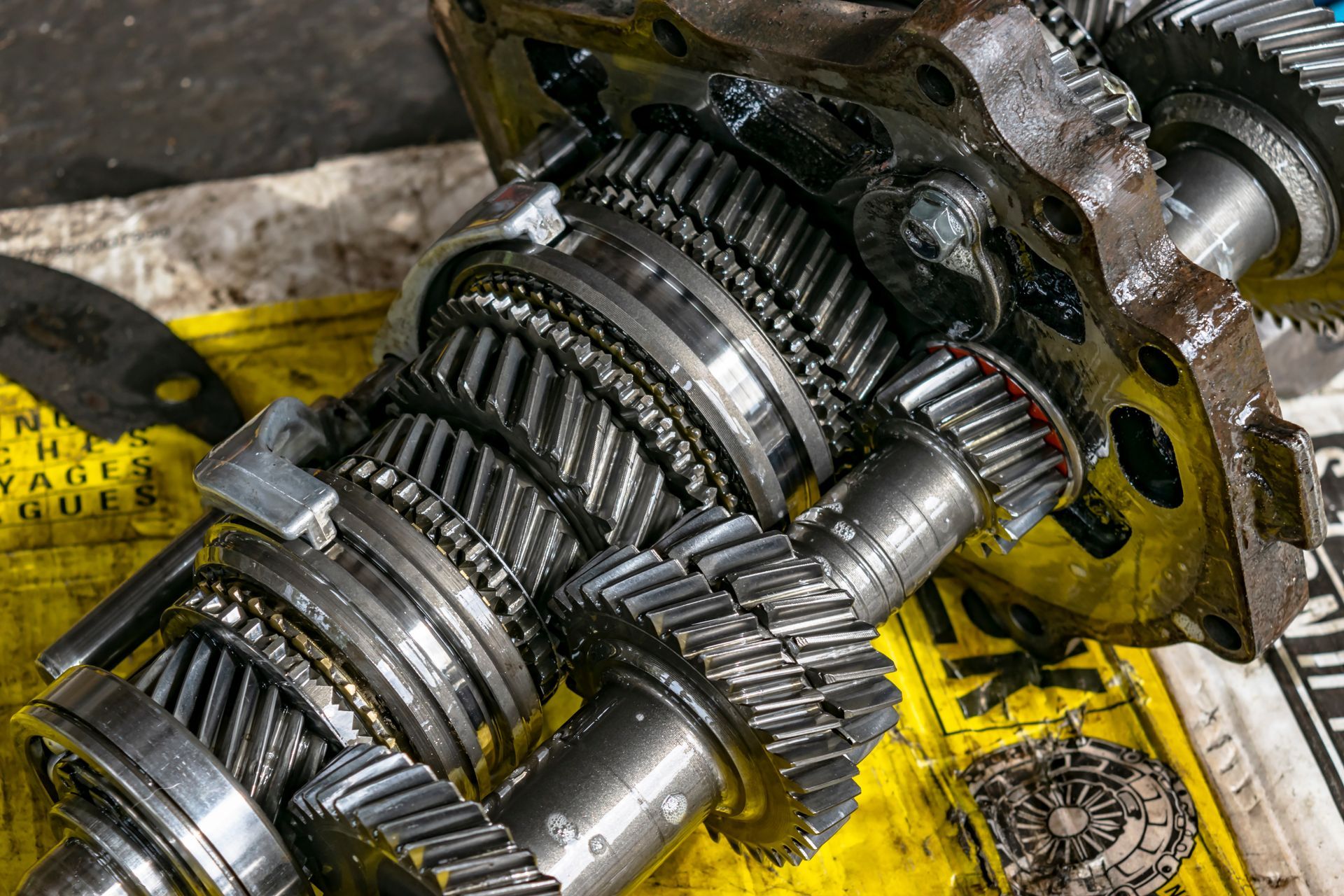
The 2012–2018 Chevy Silverado 1500 with a 6L80 transmission has known issues. Learn the symptoms, causes, and how Colorado Engine repairs them.
The post 6L80 Transmission Problems in the 2012–2018 Silverado 1500 — What You Need to Know (and How Colorado Engine Can Help) first appeared on Colorado Engine.